lunes, 17 de octubre de 2016

L4.PH

OBJECTIVES:
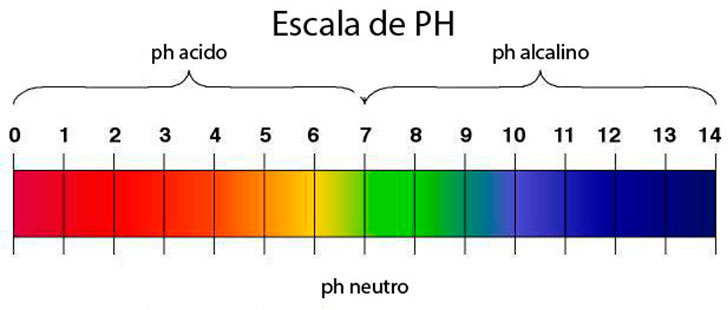
1. Knowing view the pH
2. Measure different acideces

MATERIAL:
  • Distilled Water 
  • Lemon 
  • Test tubs 
  • ph measure

PROCEDURES:

We cut the lemon in half. We squeeze the two pieces to get juice.Take the pipette. When we have the tubes with all quantities mixed, add the paper measuring the pH to see which number has each mixture. 

RESULTS:


Test tubs
H2O (mL)
LEMON (mL)
PH

1
 5
  1 
 3

2
 4
 2
 3

3
 3
 3
 3

4
  0 
 6
 3


QUESTIONS:
1. Which is the dependent variable? The pH
2. Which is the independent variable? The lemon
3. Which is the control?

4. Which pH do you think are in blood? And gastric juice? The blood problably is 7 pH because is neutral, and gastric juice is 1 because we have all the acid here.


lunes, 10 de octubre de 2016

L3. OSMOSIS

OBJECTIVES:
1. Know about the osmosis phenomena
2. Understand the process of osmosis in plasmatic membranes

MATERIAL:
  • Egg
  • Potato 
  • NaCl
  • Distilled water
  • Acetic Acid (Vinegar)
  • Spatula 
  • 600mL Beaker
  • 3 Watch glass
  • Knife

PROCEDURES:

Egg:

1. Take a 600mL beaker and put inside the egg.

2. Cover the egg with vinegar and make note of what’s happening. 
Once the egg’s shell is removed and the egg is rinsed dry and clean, measure and weigh the egg. Record the dimensions of each egg in a table.

Potato:

1. Lay out three watch glass.

2. Slice the potato in three parts lengthwise.

3. Place each slice onto a watch glass and make a hole in the middle of each slice. NOTE: the hole does not have to cross the slice!

4. In the first slice hole, don’t put anything. The second fill it with NaCl and the third with distilled water.

5. Left this preparation 30 minutes and make note of what is happening


RESULTS:


QUESTIONS:

Egg experiment:

1. What is happening when the shells are soaking of acetic acid?

2. Write the results of de dimensions and weigh of the egg before and after immersing it in distilled water. Write and draw a simple diagram of the water direction.

Potato experiment:

3. Explain the results of this experiment.

4. Why have we left the first slice without any treatment (salt or distilled water)?


5. Which are the dependent and independent variables? 


lunes, 3 de octubre de 2016

L2. MINERAL SALTS IN ORGANISMS

OBJECTIVES:


1. Identify mineral salts in organisms
2. Understand the function of inorganic biomolecules in skeletal structures of organisms

MATERIAL:
  • Acetic Acid
  • Chicken bones
  • Mollusks
  • Baker 
PROCEDURES:

Chicken bones
  1. Carefully clean and cut ad much of the meat away from the chicken thin bone as possible.
  2. Examine the flexibility of the bone by trying to bend it with your fingers.
  3. Take a beaker and make and acid acetic solution or add vinegar.
  4. Take the chicken bones and drop them in the acid acetic solution (vinegar) that you have made.
  5. tLeave it 24 hours and see what happens to the bone.
  6. Write the results in your lab worksheet.
Mollusks shells
  1. Take another beaker and make the same acid acetic solution.
  2. Put inside some shells and make note of what is happening.
  3. Write the observations in your lab worksheet.


RESULTS:

Chicken bones

The bones are more flexibility because of the lack of calcium.


Mollusks shells

The mollusks have desintegrated


QUESTIONS:

  1. Write the reaction that takes place when the acid acetic reacts with the calcium carbonate. Calcium carbonate react with acetic acid: CaCO3 + 2CH3COOH → Ca(CH3COO)2 + H2O + CO
  2.  What is happening when the shells are soaking of acetic acid? What are the bubbles that you can see? when the shells are soaking the acetic acid it make bubbles. This bubbles are CO2.
  3. What is happening to the bone after some days of soaking it in acetic acid? Why is the bone flexible now?  the bones are more flexible when dissolved the acetic acid because the bone is mainly made of calcium salts that are responsible for the hardness of the bones. When subjected to the action of vinegar (acetic acid), a chemical and much bone calcium vinegar reaction will go towards forming another substance called calcium acetate, losing in this way hardness, and becomes flexible.
  4. So, what is the function of the calcium carbonate in the skeletal structures? the funcion is give rigidity on the bones
  5. Increases in carbon dioxide to the atmosphere from the burning fossil fuels and deforestation threaten to change the chemistry of the seas. Evidence suggests that this increase in atmospheric carbon dioxide is lowering the pH of the oceans in a process called ocean acidification. How can acidification affects corals reefs? Cuando el CO2 de la atmósfera se disuelve en el agua, el pH baja ligeramente y se producen cambios químicos de los carbonatos. Esto a su vez hace más difícil formar sus conchas y esqueletos a una serie de animales marinos

lunes, 19 de septiembre de 2016

L1. LAB EQUIPMENT


OBJECTIVES:


1. Become familiar with lab equipment
2. Know the function of different types of equipment in the lab.
3. Identify lab safety symbols


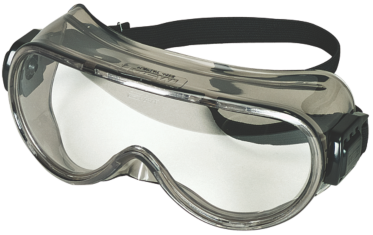
  • Safety goggles: To protect the eyes
Resultado de imagen para safety goggles
  • Thermometer: For measuring temperature
Resultado de imagen para thermometer lab
  • Wire brush: For cleaning the inside of a test tube
Resultado de imagen para wire brush lab
  • Watch glass:For measuring mass
Resultado de imagen para watch glass lab
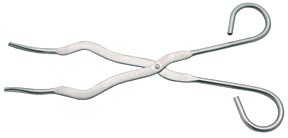
  • Tongs: For removing and holding a hot beaker
Resultado de imagen para tongs lab
  • Wire gauze: To protect the bottom of a beaker or flask from the flame; to support a beaker or flask on a ring clamp.
Resultado de imagen para wire gauze lab
  • Iron ring: For holding a flask, a beaker, or a test tube on a ring stand
Resultado de imagen para iron ring lab
  • Test-tube holder: For holding an individual test tube
Resultado de imagen para test tube holder lab
  • Test-tube rack: For holding one or more test tube
Resultado de imagen para test tube rack lab
  • Erlenmeyer flask: For measuring and pouring liquids; NOT for heating or mixing substance
Resultado de imagen para Erlenmeyer flask lab
  • Beaker: For measuring and pouring liquids; for heating or mixing substance
Resultado de imagen para beaker lab
  • Funnel: To aid in pouring a liquid from a wide mouth container to a small-mouth container; to filter substances when filter paper is used
Resultado de imagen para funnel lab
  • Test tubes: For heating a small amount of substance
Resultado de imagen para test tubes lab
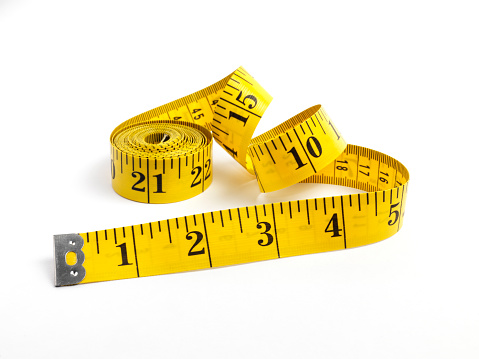
  • Tape mesure For measuring length or distance
Resultado de imagen para tape measure
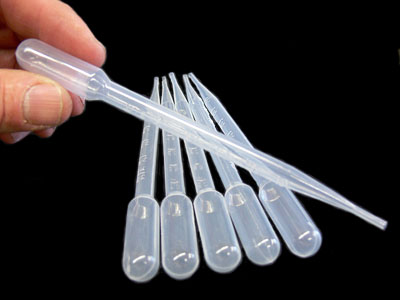
  • Micropipets: For transfer ring a small amount (drops) of liquid
Resultado de imagen para micropipette lab
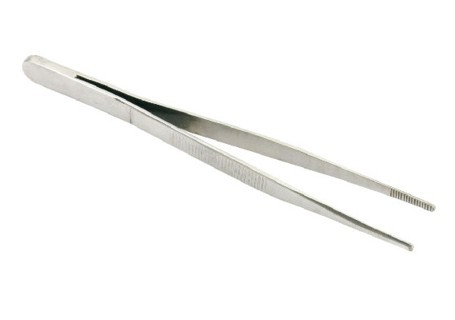
  • Forceps: For plucking or handling small objects
Resultado de imagen para forceps lab equipment
  • Gas bottle: To mix or stir substances; made of glass to resist heat, stains, corrosion
Resultado de imagen para gas bottle lab equipment
  • Bunsen burner: For heating, sterilitzation, and combustion
Resultado de imagen para bunsen burner equipment
  • Spatula: For stirring
Resultado de imagen para spatula equipment
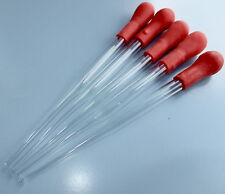
  • Pipet: For pulling liquid into a pipette
Resultado de imagen para pipette equipment
  • Spatula: For holding solids while being weigheh, or as a cover for a beaker
Resultado de imagen para spatula equipment
  • Gas bottle: For making up solutions to a known volume
Resultado de imagen para gas bottle lab equipment


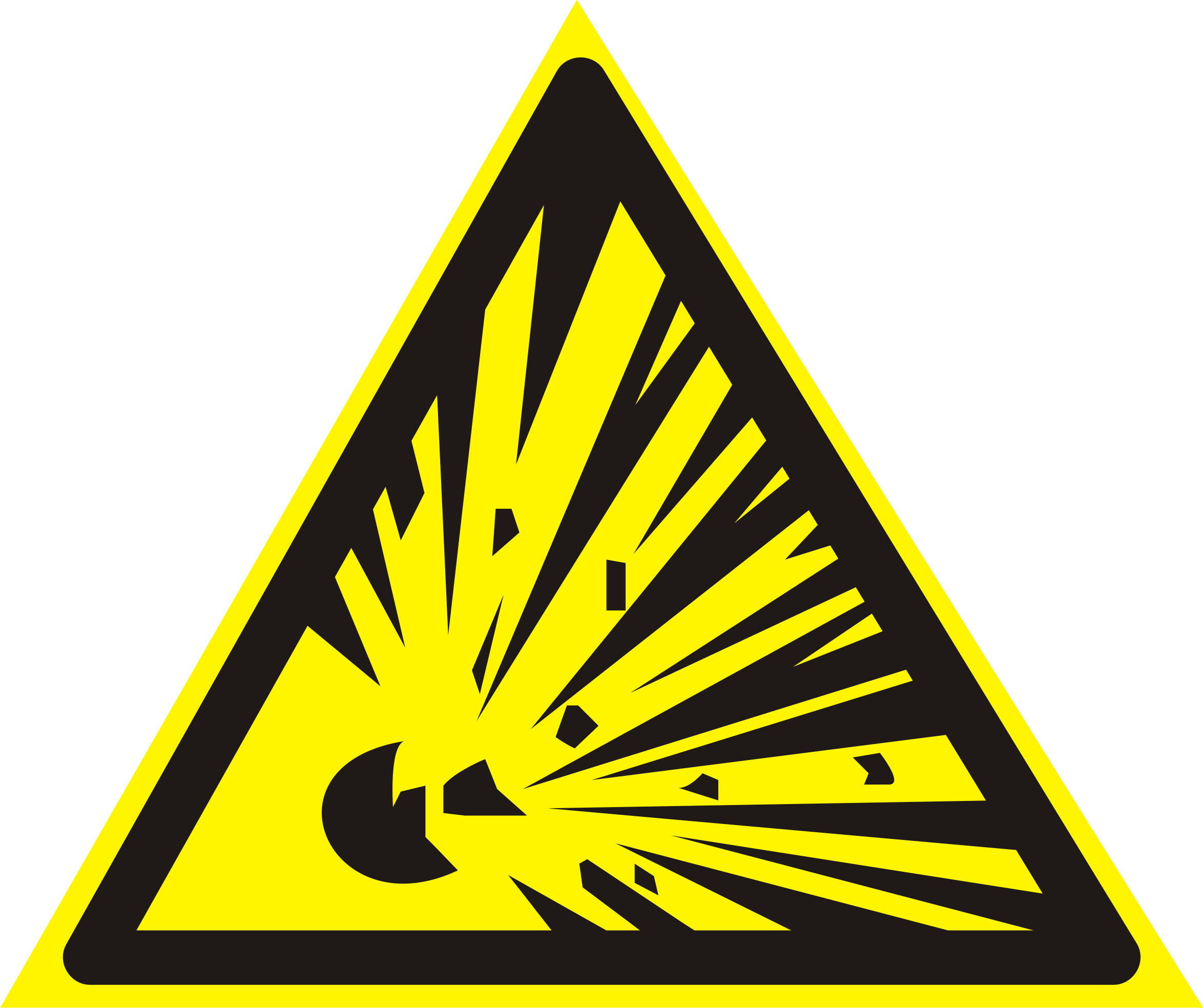
  • EXPLOSIVE: Substances that made explode under definite conditions. Avoid shock, friction, sparks and heat. 
Resultado de imagen para explosive
  • OXIDISING: Substances that can ignite combustible material or worsen existing fires and thus make fire-fighting more diffucult. Keep away from combustible material. 
Resultado de imagen para oxidising
  • HIGHLY FLAMMABLE: Spontaneously flammable substances. Avoid contact with air. Highly flammable gases and flammables liquids. Keep away from open fires, sources of heat and sparks.
Resultado de imagen para highly flammable
  • TOXIC: Substances that very hazardous to health when breathed, swallowed or in contact with the skin and may even lead to death. Avoid contact with the human body.
Resultado de imagen para toxic
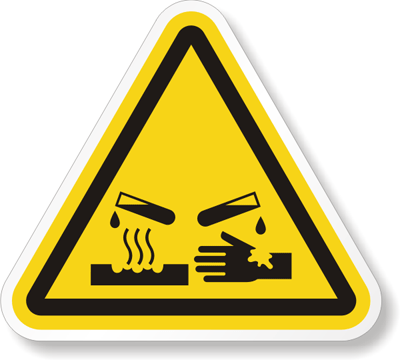
  • CORROSIVE: Substances that can destroy living tissue as well as equipment. Do not breath vapours and avoid contact with skin, eyes and clothing.
Resultado de imagen para corrosive
  • IRRITANT: Symbol that designates substances that may have irritant effects on skin, eyes and respiratory organs. Do not breathe vapours and avoid contact with skin and eyes.
Resultado de imagen para irritant
  • HARMFUL: Substances that when taken up by the body cause slight damage. Avoid contact with the human body, including inhalation of the vapours.
Resultado de imagen para harmful


What will you use for...?

1.- Holding 100mL of water: Beaker

2.- Measuring 27mL of liquid: Test Tube

3.- Measuring exactly 43mL of an acid: Erlenmeyer Flask

4.- Massing out 120g of sodium clhoride: Watch Glass